greywater recycling systems

Greywater recycling captures wastewater from showers, bathroom basins, and tubs, treating it for safe reuse as a non-potable water source.

This approach is an effective alternative when roof space limits rainwater harvesting, and it can also be integrated with rainwater systems to maximise recycled water volumes.

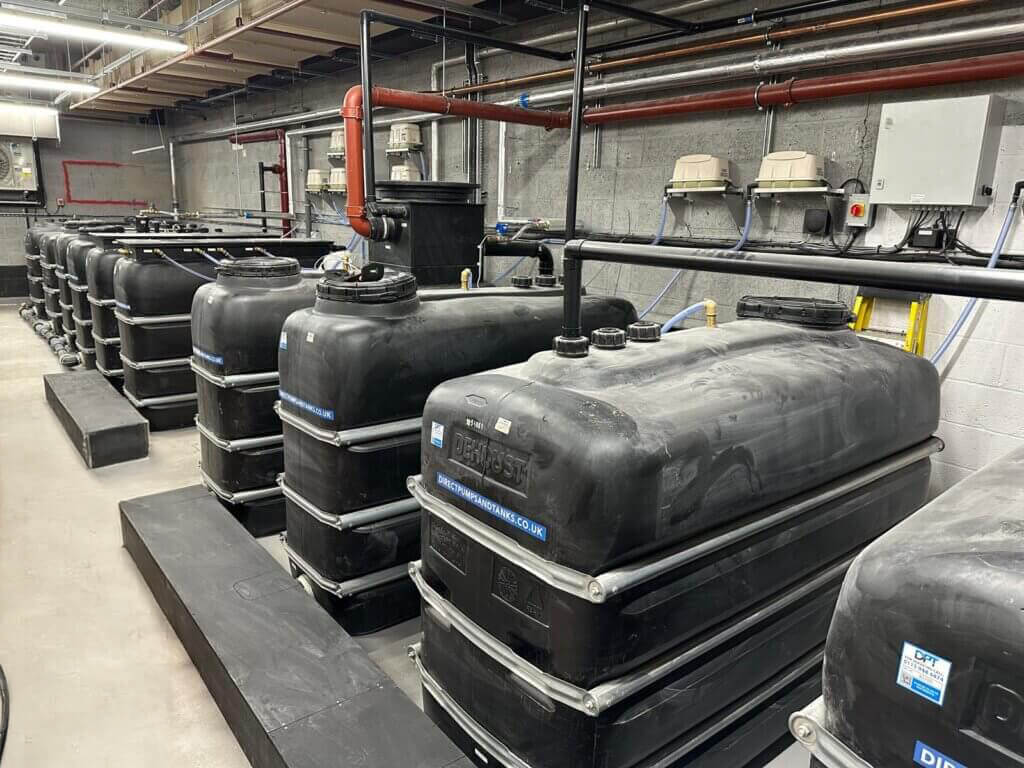
DPT offers a variety of robust greywater recycling solutions designed for commercial applications. Using advanced treatment technology, we ensure a reliable supply of clean, high-quality recycled water whenever it’s needed.

product applications

Commercial

Industrial

PICKUP

Product ready for collection in 2-3 weeks.

Delivery

Product shipped nationwide in 2-3 weeks.

Support

Product support available between 8:30am -5pm

product downloads

  • 2000L - 6000L capacity
  • Pump up to 14m head
  • Vortex and Macerator Pumps
  • Simple Installation

product features

  • WRAS approved horizontal multistage pumps
  • Connections to BMS and common fault alerts
  • ARC panel with integral variable speed inverters
  • Compact footprint
  • Pressure range from 2 -9 bar
  • Dry run protection
  • Drain down valves
  • Constructed from industry leading materials
  • Bluetooth connectivity

product features

  • Remote monitoring in real time to view and manage alerts, faults and more.
  • Exceptional filtration down to 0.02 microns 
  • Full self-cleaning capability, backwashing of filters to maximise lifespan
  • Comes with DPT WRAS approved booster set systems
  • Can be fully installed and commissioned by DPT.

product Applications

  • Remote monitoring in real time to view and manage alerts, faults and more.
  • Exceptional filtration down to 0.02 microns 
  • Full self-cleaning capability, backwashing of filters to maximise lifespan
  • Comes with DPT WRAS approved booster set systems
  • Can be fully installed and commissioned by DPT.
grey water system
grey water system

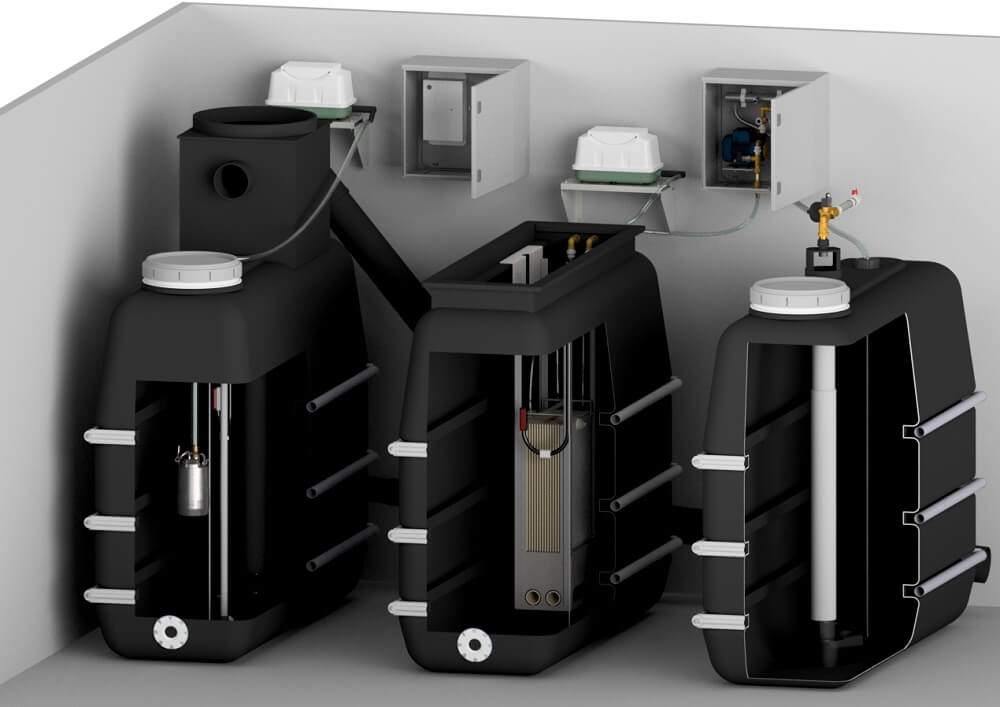
1. Collection & Pre-Filtration
Greywater is gathered from showers, basins, and baths via a dedicated pipe network, keeping it separate from blackwater. This separation reduces contamination risks and allows additional energy recovery options, such as capturing waste heat.
Before entering treatment, the water passes through a coarse filter that removes fibres, hair, and other visible particles. Some systems feature automated backwashing for low-maintenance operation.

2. Biological Treatment
The pre-filtered water enters an aerated treatment chamber. Oxygenation encourages the natural breakdown of soaps, shampoos, and organic residues. Special growth media inside the tank provide extra surface area for microbial communities to thrive, improving treatment performance.

3. Sedimentation
Aeration helps remaining solids settle to the bottom of the tank. These deposits are periodically removed by an automated sludge pump to maintain system efficiency.

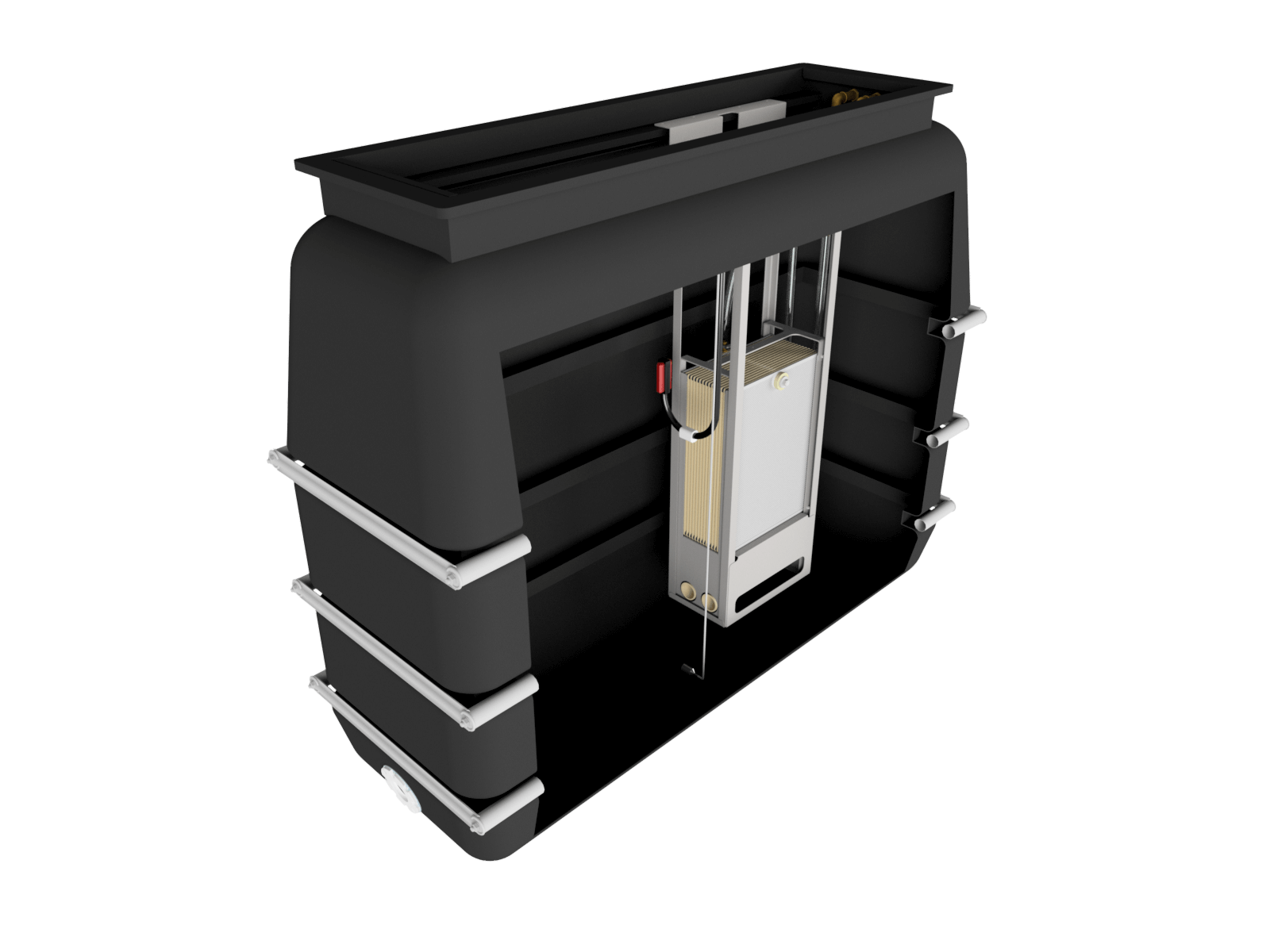
4. Membrane Filtration
The biologically treated water is then refined using ultrafiltration membranes. These hollow fibre filters remove microscopic particles, including bacteria and viruses, down to around 0.02 microns. A self-cleaning backwash cycle ensures consistent water quality and reduces manual servicing.

5. Clean Water Storage
Once treated, the water is transferred into a dedicated storage tank. With reduced nutrients and solids, the recycled water remains stable and suitable for longer-term storage before reuse.

6. Automatic Backup Supply
In times of low greywater availability, a mains water connection automatically maintains supply. This backup is delivered via a compliant air gap to prevent cross-contamination, ensuring safe and reliable operation at all times.

Water Scarcity

Water is one of the most valuable resources we depend on.
Like many natural resources, supplies are under increasing pressure. In the UK, the Environment Agency projects a shortfall of around 5 billion litres of water per day in the near future.

By recycling greywater on site, businesses and buildings can significantly cut their reliance on mains water. In some cases, up to three-quarters of daily demand can be met through reuse.

Managing Drainage

The UK’s sewer networks often struggle during periods of heavy rainfall, leading to overflow events that release untreated wastewater into rivers and streams.
Greywater makes up a large share of a building’s wastewater output. By treating and reusing this water, sites can ease the burden on public drainage systems and lower the risk of overflow events.

Reliable Results

Modern greywater recycling systems use a combination of filtration, biological treatment, and disinfection to deliver a safe, high-quality water supply. With robust processes in place, users can be confident in both performance and water safety.

Best-Suited Building Types

These systems are particularly beneficial in larger buildings with a steady demand for non-potable water. They are also ideal in locations with limited roof area, where rainwater harvesting alone may not meet demand. Greywater recycling can function as a stand-alone solution or be integrated with rainwater collection to achieve greater overall water savings.

Examples include:

  • Leisure centres and sports facilities

  • High-traffic venues

  • Office buildings

  • Hotels and hospitality sites

  • Mixed-use developments

contact us now with your requirements

your requirements

Please fill out the form below so we can accurately quote for your system requirements.

Why do we need this information?

For us to be able to calculate a pump station correctly we need to understand a few key points of information. Please use the form to the left to help us quote for your project.

Key 

Rising Main – distance from the chamber to the sewer (meters)

Head – The height from the bottom of the chamber to the sewer

People – The maximum occupancy of the property

Application – Please state if this is for foul or surface water