The Importance of Rainwater Harvesting
In a world where sustainability and responsible resource management are becoming increasingly critical, rainwater harvesting emerges as a solution that not only benefits the environment but also your personal economy. This article delves into the significance of rainwater harvesting, a practice that, when executed properly, can make a substantial difference in our lives and the world around us.
What is Rainwater Harvesting?
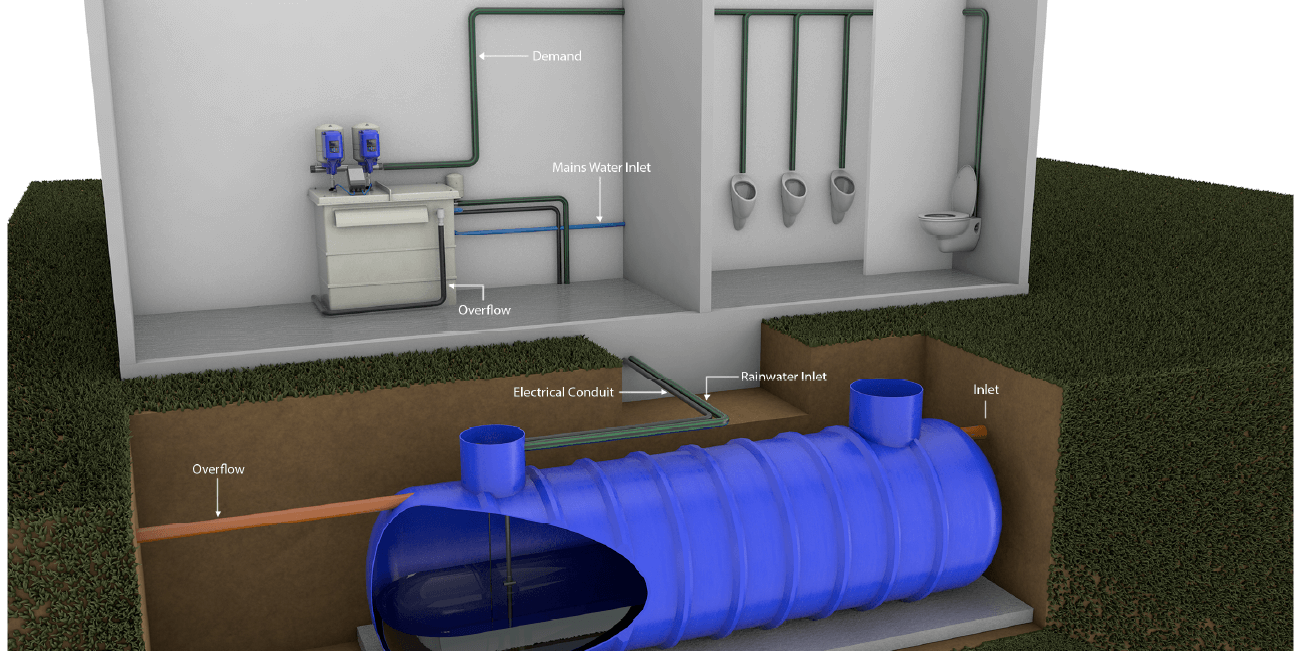
Rainwater harvesting is the method of collecting and storing rainwater that falls on your property. This collected rainwater is then used for various purposes, from watering your garden and flushing toilets to even providing a source of drinking water. The process involves the collection of rain from rooftops and other surfaces, filtration, and storage in tanks or cisterns.
The Environmental Impact
One of the foremost reasons for the importance of rainwater harvesting is its significant environmental benefits. By capturing rainwater, we can reduce the strain on conventional water sources, such as rivers and underground aquifers. This, in turn, helps preserve these resources and reduces the risk of depletion.
Reducing Pressure on Local Water Sources
The excessive extraction of groundwater has led to a decrease in the water table in many regions. This not only affects the availability of water for agricultural and domestic purposes but also contributes to land subsidence. Rainwater harvesting can alleviate this pressure by providing an alternative source of water.
Mitigating Flooding
Rainwater harvesting helps in reducing surface runoff during heavy rain, thereby mitigating the risk of flooding. When rainwater is collected and stored, it doesn’t flow into stormwater drains, decreasing the burden on urban drainage systems.
Economic Advantages
Besides its positive environmental impact, rainwater harvesting can also lead to substantial economic benefits. Here’s how:
Lower Water Bills
Using harvested rainwater for non-potable purposes, such as irrigation or flushing toilets, can substantially reduce your water bills. As a result, you’ll notice a significant decrease in your monthly expenses.
Return on Investment
While setting up a rainwater harvesting system requires an initial investment, the return on investment over time is remarkable. As water costs continue to rise, your self-sustained water supply will save you money in the long run.
Self-Sufficiency
Rainwater harvesting promotes self-sufficiency in terms of water supply. When you have a reliable source of water on your property, you become less dependent on external sources. This is especially valuable in areas where water scarcity is a recurrent issue.
Water Quality and Health Benefits
The water collected through rainwater harvesting is typically of high quality, as it hasn’t been subjected to the chemicals and treatments often found in municipal water supplies. This high-quality water can be used for a variety of purposes, including drinking, provided you have a well-maintained filtration and purification system in place.
Health Benefits
Rainwater is naturally soft and devoid of the hardness minerals commonly found in tap water. This not only enhances the taste but also reduces the risk of mineral build-up in your plumbing and appliances. It’s also free from added chemicals, making it a healthier choice for drinking and cooking.
Sustainable Landscaping
Harvested rainwater is an excellent resource for maintaining lush gardens and landscapes. By using collected rainwater for irrigation, you can nurture your plants without tapping into traditional water sources, which are often treated with chemicals.
Reducing Carbon Footprint
Rainwater harvesting is a sustainable practice that helps reduce our carbon footprint. Traditional water sources, such as municipal water supplies, often require substantial energy for treatment, pumping, and distribution. By harnessing rainwater for non-potable uses, we alleviate the need for energy-intensive water treatment processes, which, in turn, reduces the associated carbon emissions.
Water-Energy Nexus
The water-energy nexus is a critical consideration in the journey toward net zero. Energy is required to heat, cool, and transport water, and the conservation of energy is vital in reducing our carbon emissions. Rainwater harvesting helps in this regard by decreasing the energy consumption associated with conventional water sources.
Supporting Sustainable Practices
Rainwater harvesting encourages sustainable practices in the context of water management. By using rainwater for various purposes like irrigation, flushing toilets, and even drinking (when properly treated), we reduce the demand for water from conventional sources, many of which are energy-intensive and environmentally taxing to extract and transport.
Reducing Water Waste
In the pursuit of net zero, minimizing waste is a key objective. Rainwater harvesting systems are designed to collect, store, and efficiently utilize water, which inherently reduces waste. This practice aligns with the overarching goal of conserving resources and minimizing the environmental impact.
Synergy with Renewable Energy
To achieve net zero, many individuals and businesses are turning to renewable energy sources, such as solar panels. Rainwater harvesting can complement this effort by providing a sustainable source of water. In regions where water scarcity and the need for renewable energy coincide, the integration of rainwater harvesting systems with solar power can be a powerful strategy in moving closer to a net-zero future.
Conclusion
In conclusion, rainwater harvesting is a sustainable, economical, and environmentally responsible practice that offers numerous benefits. From reducing pressure on local water sources to lowering your water bills, this method contributes to a more sustainable and self-sufficient way of living. As the world becomes more environmentally conscious, embracing rainwater harvesting is a step towards a brighter and more sustainable future.