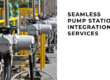
In an era where efficiency and reliability are paramount, upgrading your pump system with advanced controls is not just a luxury—it’s a necessity. This comprehensive guide delves into the world of modern pump systems, highlighting the benefits of a Pumping Station Control System Upgrade and the integration of innovative control technologies. From enhancing operational efficiency to ensuring system reliability, we explore how modern control solutions can transform your pump system, making it more responsive, efficient, and cost-effective.
Embracing Operational Efficiency and Reliability
The heart of a modern pump system lies in its ability to seamlessly blend operational efficiency with reliability. Upgrading to an advanced control system means not just automating processes but also ensuring that each component works in harmony. This synergy is crucial in environments like foul water management and surface water handling, where the stakes are high, and the need for precision is paramount.
Advanced Alarm Systems: A Game-Changer
One of the critical aspects of modern pump systems is the integration of advanced alarm systems. These systems are designed to provide early warnings, ensuring that any potential issues are addressed before they escalate. This proactive approach is essential in maintaining operational readiness and preventing downtime.
“The right alarm system transforms a reactive setup into a proactive powerhouse, ensuring uninterrupted operations and peace of mind.” – Direct Pumps and Tanks Expert
Responsive System Design: Tailoring to Your Needs
Every pumping scenario is unique, and a one-size-fits-all approach doesn’t work. Responsive system design involves understanding the specific requirements of your setup—whether it’s cold water booster sets or basement dewatering—and tailoring the control system to meet these needs. This customization ensures enhanced system performance and operational efficiency.
The Role of Backup Systems
In the world of pump systems, uninterrupted operations are not just desirable—they’re essential. Implementing a backup system is a critical step in ensuring that your operations continue smoothly, even in the face of unexpected challenges. This aspect of modern pump systems is particularly crucial in applications like rainwater harvesting, where consistency and reliability are key.
Seamless System Transition: The Path to Modernization
Upgrading to a modern control system doesn’t have to be a disruptive process. Seamless system transition is all about integrating new technologies with minimal impact on current operations. This approach is vital for maintaining operational continuity while reaping the benefits of modern control solutions.
Integrating Innovative Control Technologies
The journey towards modernizing your pump system hinges on embracing innovative control technologies. These advancements are not just about keeping up with the times; they’re about setting a new standard in pump system management.
Advanced Monitoring and Control: The Nerve Center
At the core of modern pump systems is advanced monitoring and control. This technology acts as the nerve center, constantly gathering data, analyzing performance, and making adjustments in real-time. It’s what makes systems like smart pump stations not just efficient but intelligent. By staying in control with real-time monitoring, operators can make informed decisions, leading to enhanced efficiency and reduced operational costs.
“Advanced monitoring is not just about observing; it’s about understanding and acting on data to optimize performance.” – Direct Pumps and Tanks Expert
Automation in Pump Systems: The Efficiency Catalyst
Automation plays a pivotal role in modern pump systems. It’s the catalyst that transforms manual, labor-intensive processes into streamlined, efficient operations. In the context of pump systems, automation can range from simple tasks like turning pumps on and off at predetermined times to more complex scenarios involving variable speed control and demand-responsive operations. This shift towards automation is evident in applications like energy-efficient pump stations, where the focus is on sustainability and cost-effectiveness.
Enhancing System Performance and Reliability
The ultimate goal of modernizing your pump system is to enhance its performance and reliability. This is not just about making your system faster or more powerful; it’s about making it smarter and more resilient.
System Reliability and Efficiency: A Dual Focus
Reliability and efficiency go hand in hand in modern pump systems. A reliable system minimizes downtime and reduces the likelihood of costly repairs. At the same time, an efficient system conserves energy and resources, leading to lower operational costs. This dual focus is crucial in settings like boosting pump station performance, where the balance between reliability and efficiency can make or break the system’s effectiveness.
Control System Expertise: The Human Element
While technology plays a significant role in modern pump systems, the human element remains vital. Control system expertise is about having the right knowledge and skills to design, implement, and maintain these advanced systems. It’s about understanding the nuances of each application, whether it’s a simple servicing task or a complex system upgrade.
The Future of Pump Systems: Trends and Innovations
As we look towards the future, it’s clear that the field of pump systems is on the brink of a technological revolution. This final section of our guide focuses on the emerging trends and innovations that are set to redefine the standards of efficiency, reliability, and performance in pump systems.
Embracing the Digital Transformation
The digital transformation in pump systems is not just about adopting new technologies; it’s about rethinking how we manage and interact with these systems. From IoT-enabled devices to AI-driven analytics, the future lies in harnessing the power of digital tools to enhance decision-making and operational efficiency. This shift is evident in the growing trend of real-time pump station monitoring, where data is not just collected but actively used to optimize system performance.
“The future of pump systems is digital, interconnected, and intelligent, offering unprecedented levels of control and insight.” – Direct Pumps and Tanks Expert
Sustainable and Energy-Efficient Solutions
Sustainability is no longer an option but a necessity. The pump industry is increasingly focusing on developing solutions that are not only effective but also environmentally friendly. This involves exploring renewable energy sources, optimizing energy consumption, and reducing the overall carbon footprint of pump systems. The drive towards sustainability is also about meeting the growing demand for energy-saving techniques in pump stations, a critical aspect in today’s energy-conscious world.
Ensuring a Smooth Transition to Modern Pump Systems
Transitioning to a modern pump system can be a daunting task, but with the right approach, it can be a seamless and rewarding process.
Planning and Implementation: Key to Success
The key to a successful transition lies in thorough planning and expert implementation. This involves understanding your current system’s limitations, identifying areas for improvement, and selecting the right technologies that align with your specific needs. It’s about taking a holistic view of your system, from foul water management to surface water handling, and ensuring that every component works in harmony.
Partnering with Experts
Navigating the complexities of modern pump systems requires expertise. Partnering with professionals who have a deep understanding of pump technologies and control systems is crucial. These experts can provide valuable insights, from initial consultation to installation and maintenance, ensuring that your system not only meets but exceeds your expectations.
Maintaining Optimal Performance
The journey doesn’t end with the installation of a modern pump system. Ongoing maintenance and regular updates are essential to ensure that your system continues to operate at its best.
Regular Servicing and Upgrades
Regular servicing is vital to maintain system efficiency and prevent potential issues. This includes routine checks, component replacements, and software updates. Staying ahead of maintenance ensures that your system remains reliable and efficient, ready to meet the demands of your operations.
In conclusion, modernizing your pump system with advanced controls is an investment in the future. It’s about embracing innovation, prioritizing efficiency and reliability, and preparing for the evolving demands of the industry. By understanding the trends, planning effectively, and partnering with experts, you can ensure that your pump system remains a robust, efficient, and integral part of your operations for years to come.
Frequently Asked Questions About Modernizing Your Pump System with Advanced Controls
1. What are the initial steps to take when considering an upgrade to a modern pump control system?
Answer: Start by assessing your current system’s capabilities and identifying areas that need improvement. Consider factors like energy efficiency, system responsiveness, and operational costs. Consulting with a control system expert can provide valuable insights into the latest technologies and how they can be integrated into your existing setup.
2. How long does it typically take to upgrade a pump system with advanced controls?
Answer: The duration varies depending on the complexity of the system and the extent of the upgrade. Simple upgrades can take a few days, while more comprehensive overhauls might take several weeks. Planning and clear communication with your installation team can help minimize downtime.
3. Can advanced pump controls be integrated with existing pump systems?
Answer: Yes, in most cases, advanced controls can be integrated with existing pump systems. This process involves retrofitting the current system with new control technologies. However, compatibility and the extent of integration depend on the age and type of the existing system.
4. Are there any specific training requirements for operating a modernized pump system?
Answer: Yes, training is often necessary to ensure that operators are familiar with the new system’s features and functionalities. Many suppliers offer training sessions post-installation to help your team adapt to the upgraded system.
5. What is the cost implication of upgrading to an advanced pump control system?
Answer: The cost varies based on the system’s complexity, the technologies used, and the scale of the upgrade. While the initial investment might be significant, the long-term savings in operational costs and improved efficiency often justify the expense.
6. How does modernizing pump systems contribute to energy efficiency?
Answer: Modern pump systems often include features like variable speed drives and smart monitoring, which optimize energy use and reduce wastage. This leads to more efficient operation and, consequently, lower energy bills.
7. What kind of maintenance is required for a modern pump control system?
Answer: Regular maintenance, including software updates, hardware checks, and routine servicing, is crucial. This ensures the system operates efficiently and helps in early detection of potential issues.
8. Can advanced pump controls help in remote monitoring and management?
Answer: Yes, many modern pump control systems offer remote monitoring capabilities, allowing operators to manage and troubleshoot the system from a distance. This feature is particularly useful for large-scale operations and in situations where on-site monitoring is challenging.
9. What are the environmental benefits of upgrading to a modern pump system?
Answer: Modern pump systems are designed to be more energy-efficient and often use eco-friendly components, which helps in reducing the environmental footprint. Additionally, better control and monitoring can lead to reduced resource wastage.
10. How do advanced pump control systems handle emergency situations or system failures?
Answer: Advanced systems often include built-in alarm systems and backup features that activate in case of a failure. These systems can either switch to a backup mode to maintain operations or shut down safely to prevent damage, allowing for timely intervention and repairs.