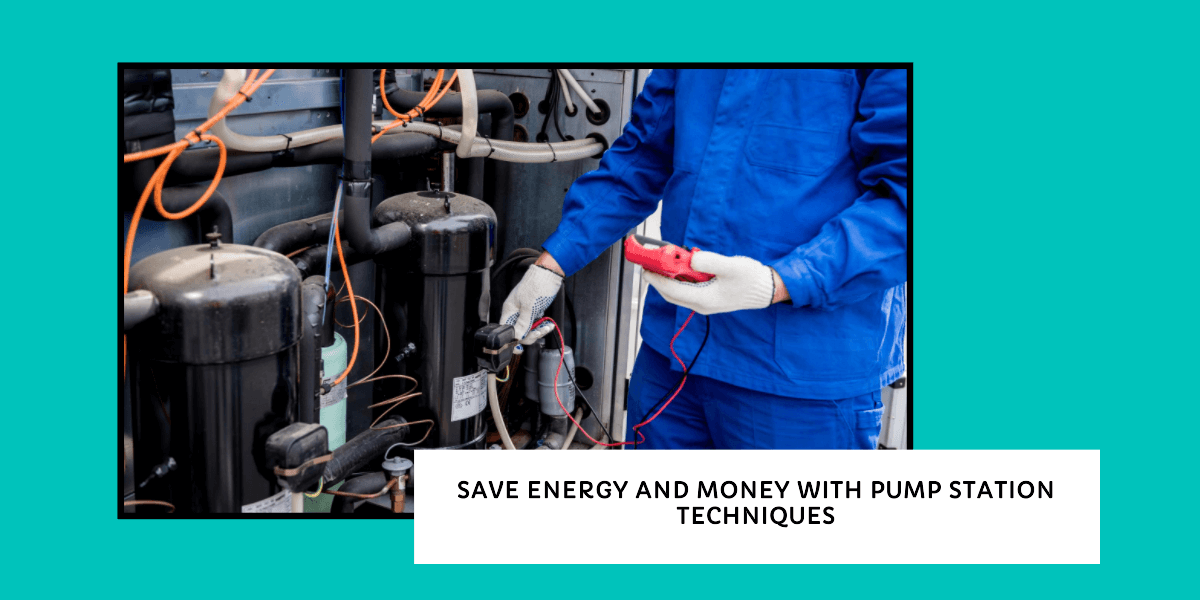
Save Money with Pump Station Energy-Saving Techniques
In the modern era, energy conservation is paramount. Pump stations, being integral components of many infrastructures, are no exception. This article delves into the myriad of techniques to save energy in pump stations, from selecting the most efficient pump type to implementing intelligent control systems. By the end, you’ll be equipped with actionable insights to optimise your pump station’s energy consumption.
Table of Contents
- The Importance of Proper Pump Sizing
- The Role of Impeller Trimming
- Embracing Variable Frequency Drives (VFDs) and Variable Speed Drives (VSDs)
- The Benefits of Parallel Pumping Systems
- Optimising Pipe Systems
- The Necessity of Regular Maintenance
- High-Efficiency Pump Seals: The Unsung Heroes
- Intelligent Control Systems: The Future of Pumping
- Monitoring: The Key to Proactive Management
- Controls: Maximising Efficiency with Minimal Effort
- The Role of Adjustable Speed Drives (ASDs)
- The Art of Proper Pipe Sizing
- Pump System Optimisation Software: A Digital Revolution
- Effective Control Optimisation: Pumping Smartly
- Sealing the Deal: Improvements in Sealing Technology
- Pressure Optimisation: Balancing the Flow
- The Future: More Efficient Pumps
- Final Thoughts: The Road Ahead
- FAQ: Energy-Saving Techniques for Pump Stations
1. The Importance of Proper Pump Sizing
One of the most fundamental steps in ensuring energy efficiency is selecting the right-sized pump. Oversized pumps can lead to higher energy and maintenance costs. It’s essential to choose a pump that operates close to its Best Efficiency Point. This not only conserves energy but also prolongs the pump’s lifespan.
Tip: Always work closely with pump manufacturers for optimal selection. They can provide insights into the most efficient pump types tailored to specific needs.
2. The Role of Impeller Trimming
Impeller trimming, sometimes referred to as shaving sheaves, is a technique that reduces the impeller’s tip speed. This method effectively reduces pressure and flow produced by an oversized pump. It’s a practical solution for those who have already invested in a pump but later realise it’s too large for their needs. Learn more about this technique in our comprehensive guide on pump station maintenance.
3. Embracing Variable Frequency Drives (VFDs) and Variable Speed Drives (VSDs)
Both VFDs and VSDs adjust the rotational speed of the motor to match actual demand. By doing so, they ensure the pump operates at optimal levels, leading to significant energy savings. For those looking to revolutionise their operations, smart pump stations that come equipped with these drives can be a game-changer.
4. The Benefits of Parallel Pumping Systems
For systems with varying duty requirements, using multiple pumps can be highly beneficial. By operating pumps individually based on flow requirements, energy consumption is minimised. Our surface water pump stations are designed with this principle in mind, ensuring efficiency without compromising on performance.
5. Optimising Pipe Systems
A well-optimised pipe system is as vital as optimising the pump. By achieving minimal system pressure drop through pipe-sizing optimisation, energy losses due to friction are significantly reduced. For those dealing with basement dewatering, our dewatering solutions ensure that the pipe systems are optimised for maximum efficiency.
6. The Necessity of Regular Maintenance
Regular maintenance can reveal efficiency and capacity deteriorations. Both preventative and predictive maintenance are essential to ensure the pump station operates at its peak. Our servicing page offers a range of services to help maintain your pump systems effectively.
Remember: A well-maintained pump not only saves energy but also reduces the risk of unexpected breakdowns.
7. High-Efficiency Pump Seals: The Unsung Heroes
Pump seals might seem like minor components, but their impact on efficiency is undeniable. High-efficiency pump seals reduce energy leaks and mechanical friction, ensuring that the pump operates at its optimal level. Rainwater harvesting systems, for instance, benefit immensely from such seals, as they prevent water wastage and ensure smooth operation.
8. Intelligent Control Systems: The Future of Pumping
Intelligent control systems ensure that only the required amount of water is used, leading to significant energy savings. These systems can manage river and reservoir levels optimally, smoothing the demand on major transfer pumping mains. Our article on cutting-edge pump stations provides a deeper insight into the benefits of these advanced systems.
9. Monitoring: The Key to Proactive Management
Regular monitoring can detect problems early, allowing for timely interventions. By determining solutions for a more efficient system, monitoring ensures that the pump station operates at its peak. For those keen on sustainability, our piece on energy-efficient pump stations highlights the role of monitoring in achieving green goals.
10. Controls: Maximising Efficiency with Minimal Effort
Controls can shut off unneeded pumps or reduce the load of individual pumps, ensuring that energy is not wasted. For instance, using holding tanks to equalise the flow can lead to a significant reduction in demand. Dive deeper into performance enhancement with our article on boosting your pump station’s performance.
11. The Role of Adjustable Speed Drives (ASDs)
ASDs match speed to load requirements, ensuring that the pump operates only as much as needed. By avoiding throttling valves and using variable speed drives or on-off regulated systems, energy consumption is minimised.
12. The Art of Proper Pipe Sizing
Proper pipe sizing is crucial in reducing losses due to friction. By replacing standard V-belts with cog belts and using precision castings, surface coatings, or polishing, surface roughness is reduced, leading to smoother flow and reduced energy consumption.
13. Pump System Optimisation Software: A Digital Revolution
In the age of digital transformation, pump system optimisation software is making waves. This software offers the potential for reduced energy consumption and better storage volume management. By testing low- and high-level pressure and flow rates, these tools provide actionable insights to optimise operations. Our essential pump station check-up list offers a comprehensive overview of how software can aid in regular pump station assessments.
14. Effective Control Optimisation: Pumping Smartly
It’s not just about pumping water; it’s about pumping it smartly. Effective control optimisation ensures that water is pumped only when needed. Automated control of pumps, for instance, can manage river and reservoir levels optimally, ensuring that energy isn’t wasted on unnecessary operations.
15. Sealing the Deal: Improvements in Sealing Technology
Sealing technology has come a long way. The use of gas barrier seals, balanced seals, and non-contacting labyrinth seals has revolutionised the way pumps operate. These advanced seals not only ensure efficient operation but also prolong the lifespan of the pump by reducing wear and tear. For those dealing with foul water, our foul water solutions incorporate the latest in sealing technology, ensuring optimal performance.
16. Pressure Optimisation: Balancing the Flow
Pressure optimisation techniques aim to smooth the demand on major transfer pumping mains. By ensuring that the pressure is maintained at an optimal level, energy consumption is minimised, and the pump’s lifespan is extended.
17. The Future: More Efficient Pumps
As technology advances, newer pump models are emerging that are inherently more efficient. These pumps are designed with energy conservation in mind, ensuring that they operate at peak efficiency without compromising on performance.
18. Final Thoughts: The Road Ahead
The journey towards energy-saving in pump stations is ongoing. With advancements in technology and a deeper understanding of pump operations, the future looks promising. By implementing the techniques discussed in this article, pump station operators can look forward to reduced energy bills, prolonged equipment lifespan, and a smaller carbon footprint.
Thank you for joining us on this comprehensive exploration of energy-saving techniques for pump stations. At Direct Pumps and Tanks, we are committed to providing solutions that are not only efficient but also sustainable. Together, let’s pave the way for a greener future.
FAQ: Energy-Saving Techniques for Pump Stations
Q1: Why is energy-saving important for pump stations?
A1: Energy-saving is crucial for pump stations because it leads to reduced operational costs, a smaller carbon footprint, and prolonged equipment lifespan. Moreover, efficient pump stations contribute to sustainability efforts and reduce the strain on energy resources.
Q2: How do I know if my pump is oversized?
A2: Signs of an oversized pump include excessive noise and vibration, frequent on-off cycling, and a short run time. It’s essential to consult with pump manufacturers or use pump system optimisation software to ensure your pump is appropriately sized for its application.
Q3: Are energy-saving techniques cost-effective in the long run?
A3: Absolutely. While some energy-saving techniques might require an initial investment, the long-term savings in energy bills and reduced maintenance costs make them cost-effective over time.
Q4: How often should I monitor my pump station for efficiency?
A4: Regular monitoring is key. Monthly checks are advisable for most pump stations, but high-demand systems might require more frequent monitoring. Regular assessments ensure that the system operates efficiently and any issues are addressed promptly.
Q5: Can older pump stations be retrofitted with energy-saving technologies?
A5: Yes, many older pump stations can be retrofitted with modern energy-saving technologies, such as variable frequency drives, high-efficiency seals, and intelligent control systems. It’s a viable way to enhance efficiency without replacing the entire system.
Q6: What role do control valves play in energy-saving?
A6: Control valves help regulate the flow and pressure within the system. Effective use of control valves ensures optimal flow levels, reducing energy losses in non-controlled systems.
Q7: How does pressure optimisation contribute to energy savings?
A7: Pressure optimisation ensures that the pump operates under optimal pressure conditions, reducing energy wastage. By smoothing the demand on pumping mains, energy consumption is minimised, leading to savings.
Q8: Are there any grants or incentives available for implementing energy-saving techniques in pump stations?
A8: Many governments and local authorities offer grants, tax breaks, or incentives for businesses that implement energy-saving measures. It’s advisable to check with local regulatory bodies or energy agencies for available opportunities.
Q9: How do I train my staff on these energy-saving techniques?
A9: Training can be provided through workshops, online courses, or on-site training sessions with experts. Manufacturers and industry associations often offer training programs tailored to energy-saving techniques for pump stations.
Q10: Can I use renewable energy sources to power my pump station?
A10: Yes, many pump stations can be integrated with renewable energy sources like solar or wind power. Using renewable energy further reduces the carbon footprint and can lead to significant savings in energy bills.